PR Links vs Digital PR Link Building: What Actually Moves Rankings in 2026
In 2026, the search landscape has transitioned from a world of "blue links" to a complex ecosystem of entities, citations, and AI-driven answers. If you are still operating with a 2023 mental model of link building, your rankings are likely stagnant. The fundamental shift this year isn't that links are dead—it’s that their definition has been narrowed by Google’s increasingly sophisticated "Helpful Content" and "Spam" filters.
The core of the debate today lies in the distinction between Traditional PR links and Digital PR link building. While both contribute to a brand's footprint, only one of them is the primary engine of organic growth and AI visibility.
PR Links vs. Digital PR Link Building: What Actually Moves Rankings in 2026?
To understand what moves rankings today, we must first accept that Google's algorithm no longer treats a link as a simple "vote." In 2026, a link is a trust signal within a topical cluster. If the context surrounding that link doesn't match the expertise of your brand, the link is effectively neutralized.
I. The Great Evolution: Why 2026 is Different
The industry reached a tipping point in late 2025. Search systems (like Gemini and AI Overviews) now prioritize Entity Trust over URL Authority. This means the system asks: "Is this brand a recognized authority on this specific topic across the entire web?"
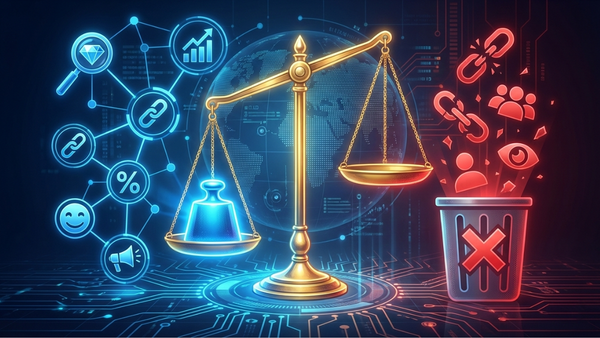
Traditional "link building"—the act of buying placements or bulk-emailing guest posts—has become a liability. AI-powered crawlers can now identify patterns of manipulative link acquisition with near-perfect accuracy. They look for "dead" links: placements on sites with zero organic traffic or pages where no human has ever clicked the link. In 2026, if a link doesn't drive a click or a brand search, it carries almost no weight in the ranking algorithm.
II. Defining the Split: Traditional vs. Digital PR
The distinction between these two methodologies is where most marketing budgets are won or lost.
Traditional PR Links: The Legacy Foundation
Traditional PR is driven by media relations, reputation management, and corporate announcements. Its primary goal is exposure.
- The Methodology: Press releases, event sponsorships, and executive profiles.
- Link Profile: These links typically land on the homepage or a corporate "About" page. They use branded anchor text and often appear in broad-interest media outlets.
- The Impact: These links are excellent for "foundational trust." They tell Google that your company is a real, legitimate legal entity. However, they rarely help you rank for specific, competitive commercial keywords because they lack Topical Specificity.
Digital PR Link Building: The Growth Engine
Digital PR is the strategic evolution of link acquisition. It is designed specifically to feed the search engine’s need for data, expertise, and relevance.
- The Methodology: Earning editorial mentions through data-led stories, original research, interactive tools, and reactive "newsjacking."
- Link Profile: These links are in-content and context-rich. They point to specific "linkable assets"—deep-dive reports or category-level resources—that demonstrate your brand’s expertise.
- The Impact: This is the primary driver of rankings in 2026. By earning links from industry journals and niche news sites within a specific narrative, you are building Topical Authority.
III. What Actually Moves Rankings in 2026?
Based on data from the most successful campaigns of the past 12 months, three specific factors determine whether a link will actually move your rankings.
1. Authority + Semantic Relevance
A single link from a contextually relevant, high-traffic publication (e.g., a DA 70+ industry leader) now outweighs 500 placements on low-impact "guest post" sites.
Search engines now utilize Natural Language Processing (NLP) to analyze the 500 words surrounding your link. If you are a fintech brand and your link appears in an article about "AI in personal finance," the "Relevance Score" is maximized. If that same link appears in a generic "business tips" listicle, its value is halved.
2. The "Click-Through" and Engagement Signal
In 2026, the "Live Link" requirement is absolute. Google’s Chrome-based user signals and AI crawlers monitor whether a link is actually useful to readers.
- Referral Traffic: Links that drive actual users to your site are weighted 5-10x more heavily than dormant links.
- Branded Search Lift: Effective Digital PR campaigns often lead to users reading an article and then searching for your brand name directly. This "Brand Search" volume is a top-tier signal for AI discovery systems.
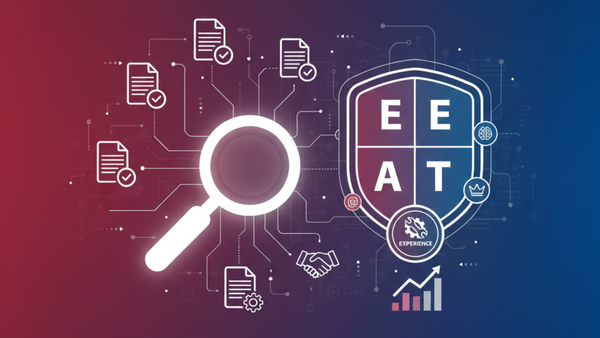
3. Entity and Citation Strength (GEO/AIO Visibility)
We are now optimizing for Generative Engine Optimization (GEO). AI Overviews and LLMs (Large Language Models) don't just look for backlinks; they look for citations.
Digital PR that puts your brand at the center of a meaningful narrative—such as a market insight or a founder's expert POV—strengthens your entity's presence in the "Knowledge Graph." When you are repeatedly cited as the source of a data point, you become the "preferred answer" for AI-generated summaries.
IV. Performance and ROI: The Numbers
Digital PR engagements in 2026 are reporting 3–5x higher ROI than traditional PR or classic SEO link building. The reason is measurability.
A typical mature digital PR campaign cycle (6 months) in 2026 generally yields:
- High-Authority Links: 15–25 editorial links from sites with a DA/DR of 60+.
- Organic Growth: A 35–60% lift in organic traffic to the targeted assets.
- Domain Strength: A DA jump of 8–15 points, built through genuine editorial interest rather than manipulation.
Because these results are tied to specific ranking deltas and traffic lifts, the cost-per-acquisition for a Digital PR lead is significantly lower than that of traditional "spray and pray" PR tactics.
V. The 2026 Practical Playbook
To stay competitive, your link acquisition strategy must be divided into three distinct workstreams: Asset Creation, Proactive Data, and Reactive Newsjacking.
Step 1: Building the "Linkable Asset"
You cannot earn top-tier editorial links for a sales page. In 2026, you need an asset that acts as a "magnet."
- Original Research: Conducting proprietary surveys or analyzing raw industry data to find a new trend.
- Interactive Utilities: Calculators, indices, or maps that provide immediate, tangible value to a journalist’s audience.
- The Definitive Resource: Comprehensive guides that are so authoritative they become the industry standard for citations.
Step 2: Proactive Data Campaigns
This involves "Pitching the Big Story." Every quarter, your brand should release a major report or insight that challenges the status quo.
Journalists in 2026 are overwhelmed by AI-generated content; they are desperate for exclusive, human-verified data. Providing this data is the fastest way to earn high-tier placements in outlets like The Financial Times, Wired, or major trade journals.
Step 3: Reactive Newsjacking (The 2-Hour Rule)
The most valuable links in 2026 are often earned in a 2-hour window. When a major industry event occurs, your expert commentary must be ready.
- The Process: Monitor breaking news in your niche.
- The Action: Provide an expert quote or a relevant data point from your existing assets to a journalist covering the story.
- The Result: High-relevance news links that appear on the most-read articles of the day, driving immediate traffic and authority signals.
VI. Why Traditional Tactics are Failing
Traditional link building—purchasing niche edits, bulk guest posting, and link exchanges—is no longer just "less effective"; it’s risky.
Google’s 2025/2026 updates have focused heavily on "Site Reputation Abuse." If a publication exists solely to sell links and doesn't have a genuine audience, any link from that site is a "red flag."
The industry consensus is that "link building" as a standalone, mechanical tactic has become a bad practice. The focus has moved entirely toward Brand Coverage. If you aren't building a brand that people actually want to read about, you shouldn't be building links.
VII. Conclusion: The Brand Moat
The search landscape of 2026 rewards authenticity. Traditional PR links provide the "Trust Foundation" (Who you are), but Digital PR link building provides the "Growth Engine" (Why you are the authority).
The winners of 2026 are the brands that treat their digital footprint as a "Brand Moat." By combining data-led storytelling with technical SEO precision, they earn links that AI discovery systems can't ignore and search engines are forced to reward.
To execute this at scale, you need more than just a strategy; you need the right infrastructure. This is where SourceDeck comes in. By connecting journalists with expert sources instantly, SourceDeck streamlines the most difficult part of 2026 link building: relevance and timing. SourceDeck provides the "Reactive Newsjacking" toolkit required to move rankings in today’s competitive environment.
Don’t just build links—build your brand as the primary source of truth in your industry.