Digital PR Link Building in 2026: A Practical Guide
Digital PR link building in 2026 combines public relations and SEO to earn editorial backlinks from authoritative publications. When done correctly, it improves search visibility, strengthens brand credibility, and aligns with Google’s E-E-A-T requirements.
The fundamentals have not changed.
What has changed is where most campaigns break down.
This guide explains what Digital PR link building looks like in 2026, which tactics still work, which ones underperform, and how to structure campaigns so links are actually earned.
What Digital PR Link Building Means in 2026
Digital PR link building focuses on earning links naturally through editorial coverage rather than through paid placements, directories, or manipulative tactics.
In 2026, successful campaigns share four characteristics:
- Links come from relevant, authoritative publications
- Content is genuinely useful to journalists and their audiences
- Outreach is targeted and restrained, not broadcast
- Authority signals accumulate gradually, not in spikes
This approach remains ethical, scalable, and aligned with how search engines evaluate trust.
Core Digital PR Strategies That Still Work
1. Targeting the Right Journalists and Publications
Broad media lists are increasingly ineffective.
Effective targeting in 2026 means:
- Narrowing outreach to journalists who actively cover the topic
- Reviewing recent articles, not job titles
- Matching commentary to the specific angle of the story
Tools like HARO and similar query-based platforms can still be useful, but response volume has increased significantly. Speed alone is no longer a differentiator. Relevance is.
2. Creating Content Journalists Can Use Immediately
Content earns links when it reduces a journalist’s workload.
Assets that still perform well:
- Original datasets with a clear takeaway
- Short reports answering a specific question
- Visualizations that explain trends quickly
- Tools or calculators with obvious public value
Content that underperforms:
- Broad “thought leadership” with no data
- Research that requires interpretation
- Press releases without a clear story angle
If a journalist has to work to understand why something matters, it rarely gets linked.
3. Pitching With Clarity, Not Volume
In 2026, most journalists skim pitches rather than read them.
Effective pitches:
- Lead with the finding, not the introduction
- Use bullets, not paragraphs
- Explain why the content fits the current story
- Avoid marketing language entirely
Follow-ups should be limited and purposeful. Repeated nudges do not increase response rates and often damage sender reputation.
4. Monitoring and Reclaiming Unlinked Mentions
Brand mentions without links remain one of the highest-ROI tactics.
Best practices include:
- Monitoring mentions across relevant publications
- Requesting links only when context already supports it
- Avoiding generic or templated outreach
In 2026, journalists are more likely to add links when the request is specific and editorially justified.
EEAT in Practice, Not Theory
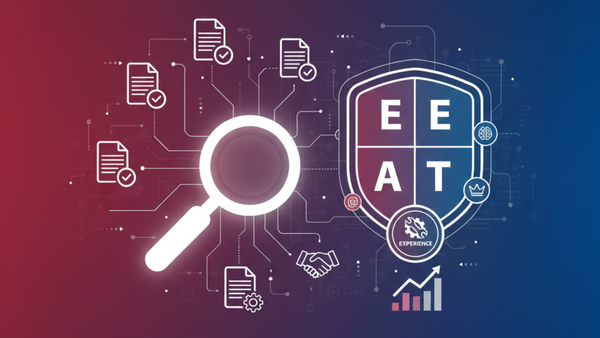
EEAT is not something you add at the end of a campaign. It is something search engines infer over time.
Signals that matter most in 2026:
- Consistent attribution across credible outlets
- Contextual mentions tied to specific expertise
- Repeat appearances in the same topical space
- Editorial consistency rather than one-off placements
Author bios and credentials help, but they do not compensate for weak editorial relevance.
What Causes Digital PR Campaigns to Fail
Most underperforming campaigns fail for operational reasons, not strategic ones.
Common failure points:
- Overproducing assets without a clear angle
- Pitching too many journalists simultaneously
- Treating outreach as a volume exercise
- Expecting evaluation rather than filtering
As sourcing volume increases, journalists rely more heavily on shortcuts: familiarity, past experience, and ease of use.
Campaigns that ignore this reality struggle to earn links, even with strong content.
How Digital PR Scales in 2026
Digital PR does not scale through more outreach.
It scales through:
- Better matching between content and journalist needs
- Clearer presentation of information
- Reduced verification effort
- Repeated exposure within a defined topical area
Links accumulate when sources are consistently easy to work with.
Choosing Agencies and Partners in 2026
When evaluating Digital PR agencies, avoid providers that promise:
- Guaranteed links
- Fixed publication counts
- Rapid authority growth
Instead, look for:
- Transparent outreach methodology
- Data-led campaign examples
- Evidence of sustained coverage over time
- Experience working with journalists, not just publishers
Digital PR is a long-term credibility play, not a shortcut.
Final Thoughts
Digital PR link building still works in 2026, but it rewards discipline over creativity and precision over scale.
High-quality links are earned when campaigns:
- Respect editorial constraints
- Prioritize usability over promotion
- Focus on relevance rather than reach
The fundamentals remain simple. Execution is where most teams fail.